
From Cells to Stars: Learning by doing is learning that lasts
During her second year at Minnesota State Moorhead, biology student Hadiya Farrahmand ’27 investigated how male andfemale immune systems respond to the same fungus. To understand what happens inside the body, she learned to“collaborate, think critically, and persist in research.”
Advertising and public relations student Celia Hawton ’26 wanted to experience cultures beyond her own, so she visited new places with her peers on a faculty-led trip to Italy and Turkey, “gaining historical and social insights [she] wouldn’t have had on [her] own.”
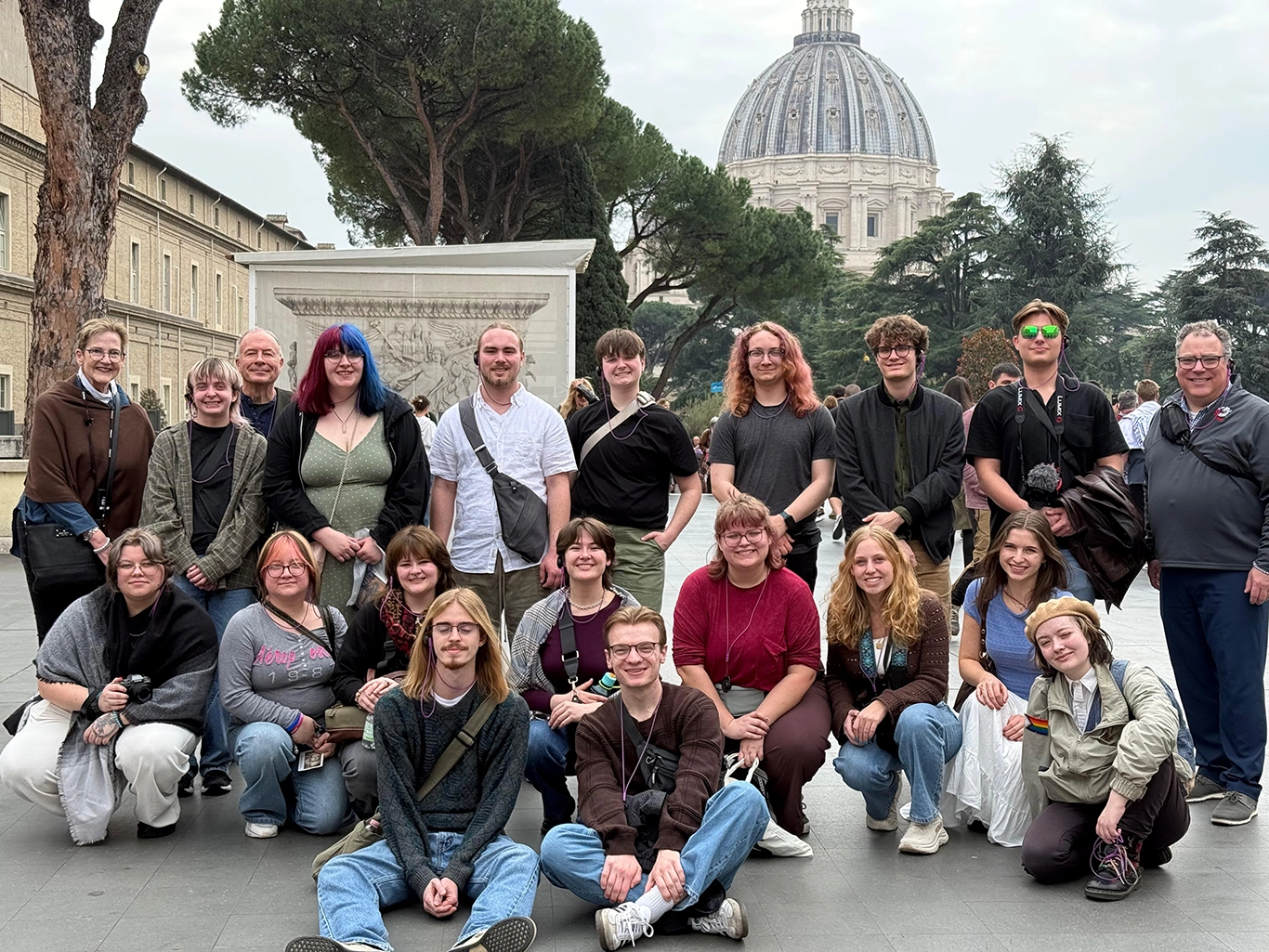
Physics student Gabe Grant ’27 looked farther still. As a freshman, he studied eclipsing binary star systems, conducting research that gave him “a greater appreciation for what [he learns] in the classroom.”
Whether examining the inner systems of the human body, exploring cultures around the globe, or studying stars light-years away, these students share a common experience: learning by doing. At Moorhead, that approach is known as experiential learning.
Experiential learning at Moorhead engages students in hands-on, real-world experiences alongside faculty, staff, employers, and community partners. These transformational moments equip students with versatile skills they’ll use throughout their career to shape a changing world.
These experiences take many forms. Students might complete an internship with a community partner, spend a semester abroad, or develop a portfolio, art exhibit, or musical performance. Their degree might pull them into field and clinical experiences like student teaching, nursing clinicals, scientific research, or projects with industry partners. What’s more, students engage on campus and in the community through service learning, student organizations, university employment, and learning communities.
As faculty and staff create more experiential learning opportunities, their goal is to help students recognize them and ensure they’re intentionally cohesive within the college experience.
“From internships to active classroom learning to co-curricular experiences – these are things that our students are involved with already,” said Chris Franz, associate director of experiential learning and assessment. “It’s just that we aren’t fully naming, talking about, and supporting them as an institution.”
Franz, who joined the Career Studio team in October 2025, is developing a framework to incorporate experiential learning across campus, helping students see how their coursework applies to genuine problems, real-world audiences, and their long-term career or education goals.
“We want every one of our students to take part in transformational experiential learning and then be able to articulate the worth of the important skills they’re practicing,” Franz said. “We don’t want them to realize 10 years after they’ve graduated, ‘the experiences our faculty and staff created for me were really valuable, I just didn’t know it at the time.’”
With a broader definition in mind, you see experiential learning happening everywhere. Dragons are learning through action, largely by building relationships with their peers, professors, and community members, including alumni, nonprofit staff, and business leaders.
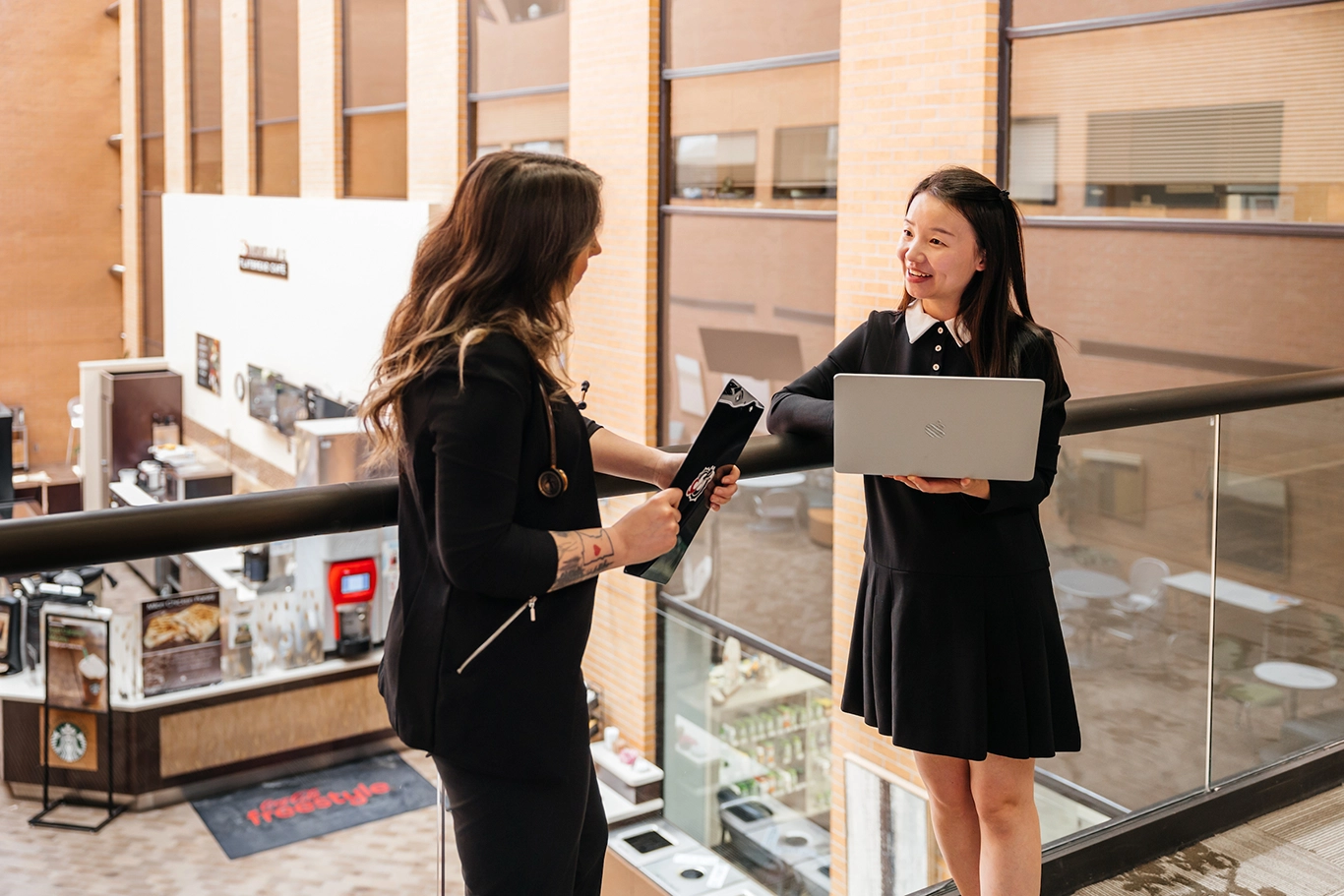
“If we’re preparing our students for the workforce, a natural collaboration happens between students, faculty and staff and our industry partners,” Franz said. “Higher education and industries can learn from each other. Students have to navigate both.”
Recent graduate Anna Egeland ’25 felt that overlap when her involvement in MSUM’s award-winning DECA organization taught her “the human aspect” of working in business. Meanwhile, former student-athlete Demi-Lee Carlisle ’25 “networked at conferences to better understand what I learn in class.” And their nursing classmate Aspen Schroeder learned “empathy, problem solving, and communication” through service with local non-profits.
These experiences may look different from one student to the next, but they share common elements: active participation, guided reflection, skill building, and community connection. Through them, students acquire knowledge, express themselves, and refine their disciplinary practice – hopefully fostering a sense of self, belonging, and civic responsibility as they look inward, out into their communities, across the world, and maybe
even to the cosmos.
Dragons then become adaptable and thoughtful graduates prepared to make meaningful contributions to their careers and communities, ultimately becoming the region’s most sought-after professionals.
Experiential Learning
Experiential Learning at Moorhead engages students in hands-on, real-world learning through collaboration with faculty, staff, employers, and community partners. These transformative experiences equip students with the skills and versatility needed to succeed in their career and shape a changing world.
Learn more about Experiential LearningMore Stories from Dragons
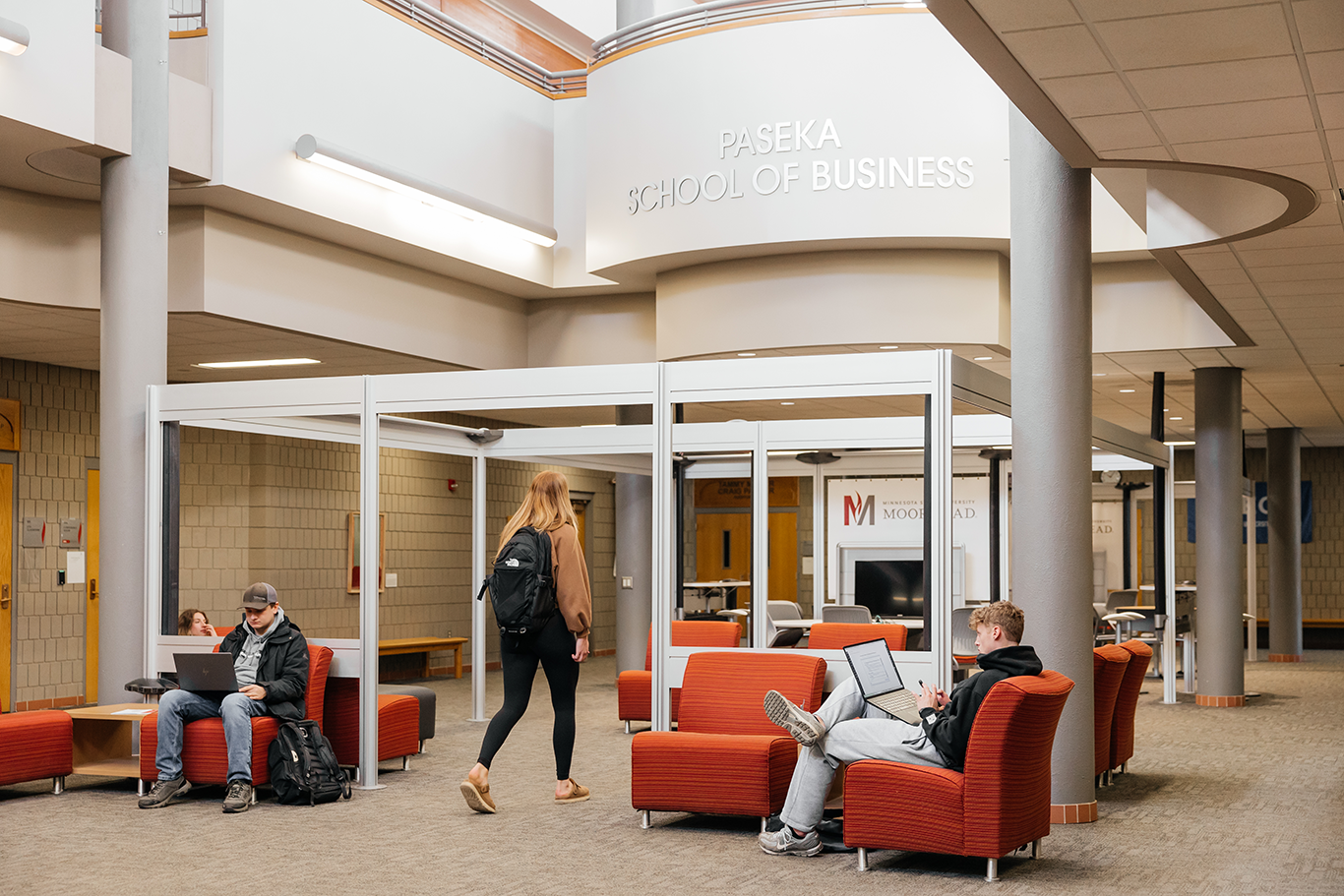
Investing in Dragons
Finance students manage the Dragon Investment Fund, a real investment portfolio started by alum Mike Benson.
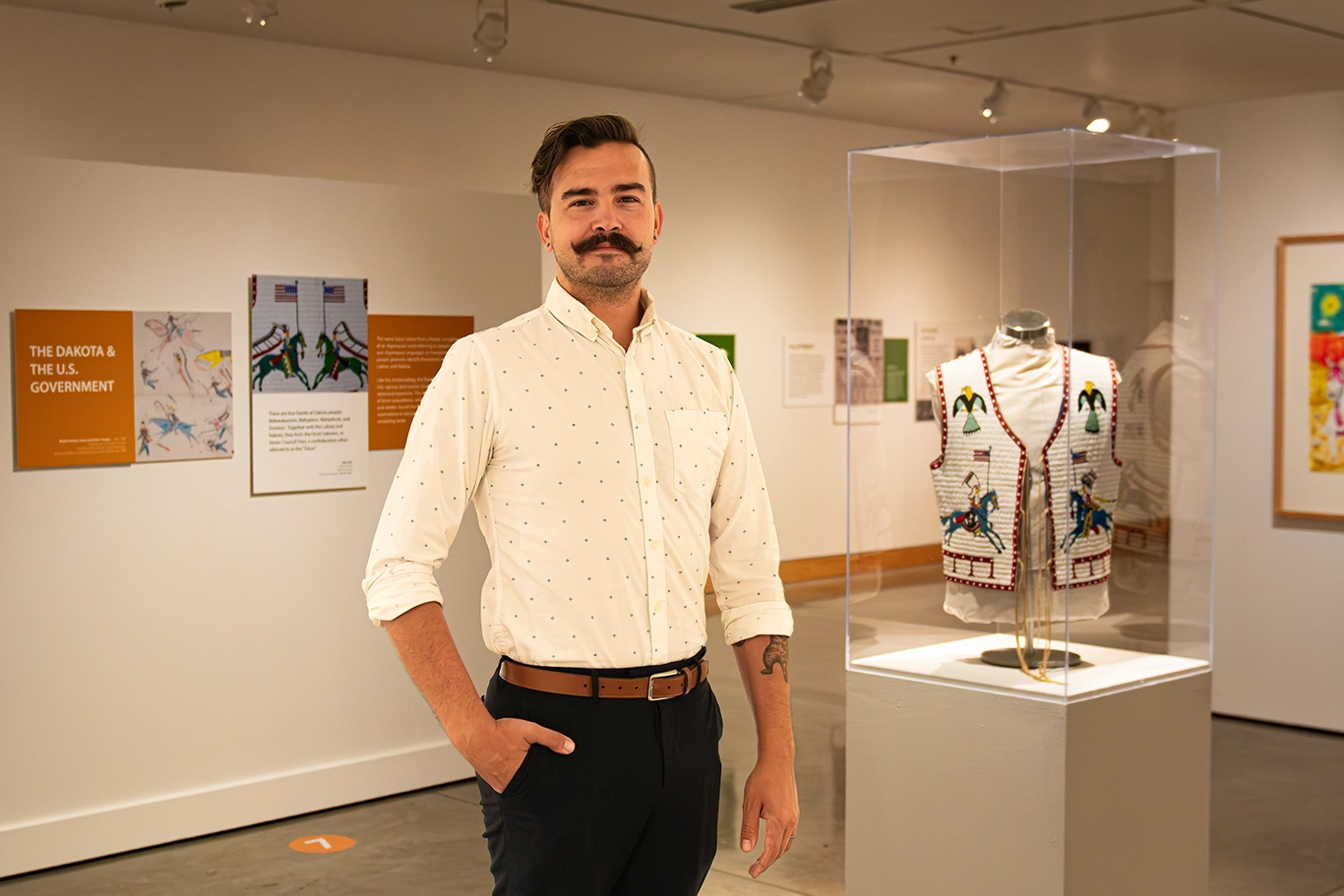
Anthropology alum spotlights Indigenous pieces through curator role at Plains Art Museum
Bret Salter '17 curates Indigenous art at the Plains Art Museum.
Moorhead’s AI efforts receive national recognition
MSUM received the first-ever AI Innovation Award at the Engage Summit 2026 for its AI literacy framework.