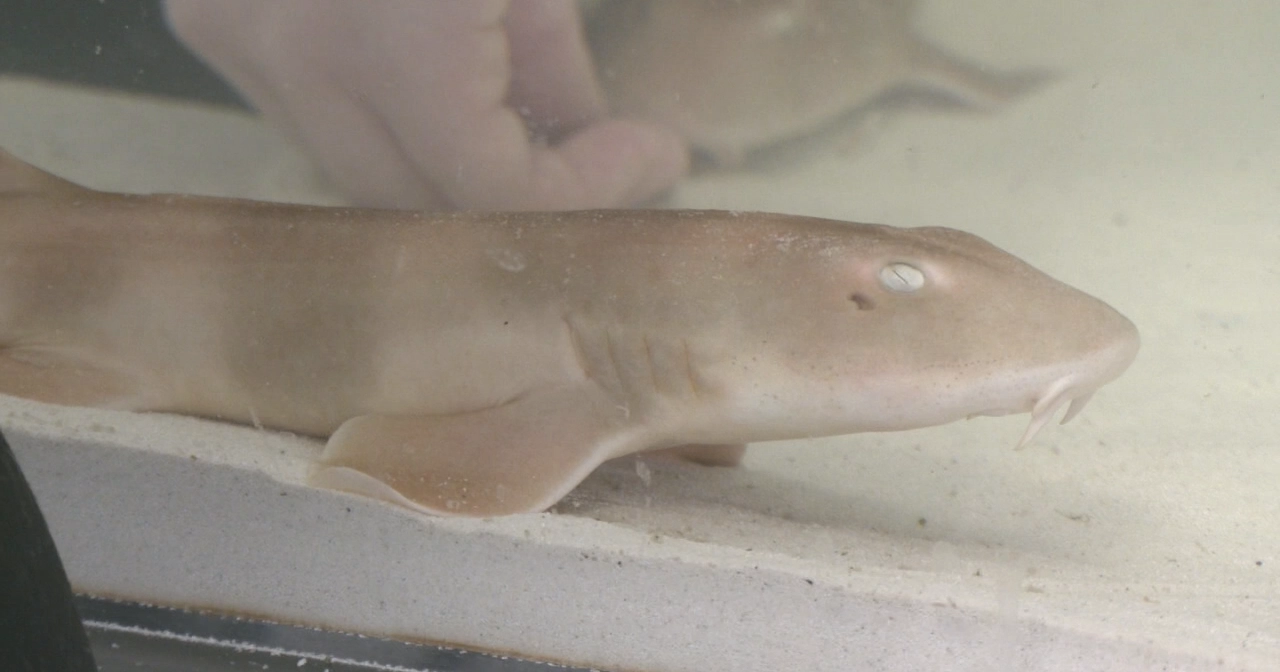
Brown Banded Bamboo Shark (Chiloscyllium punctatum)

Oceanarium Animal Information
Experience a diverse assortment of sea life at the Minnesota State Moorhead Oceanarium. The facility houses a variety of fish and other marine organisms, including:
- Range: Southeast Asia, India, Indonesia, Southern Japan, and Australia
- Habitat: warm coastal waters near coral reefs and tidepools 59° F, shallow waters at depths of up to 280 feet, sand or silt/sand seabed, varying salinity
- Diet: marine fish, shrimp, scallops, squid, clams
- Predators: larger fish and sharks, marine mammals
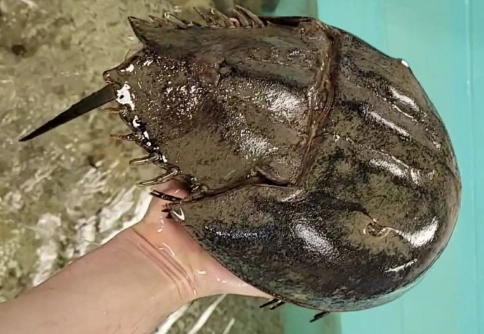
- Range: Atlantic Ocean along the North American coastline. Horseshoe crabs can also be seen along the East and Gulf coasts of the United States and Mexico
- Habitat: shallow coastal habitats such as lagoons, estuaries and mangrove to depths of more than 200 m (660 ft) up to 56 km (35 mi) offshore
- Diet: small mollusks, aquatic worms, algae, shrimp
- Predators: sharks, sea turtles, sea birds, humans
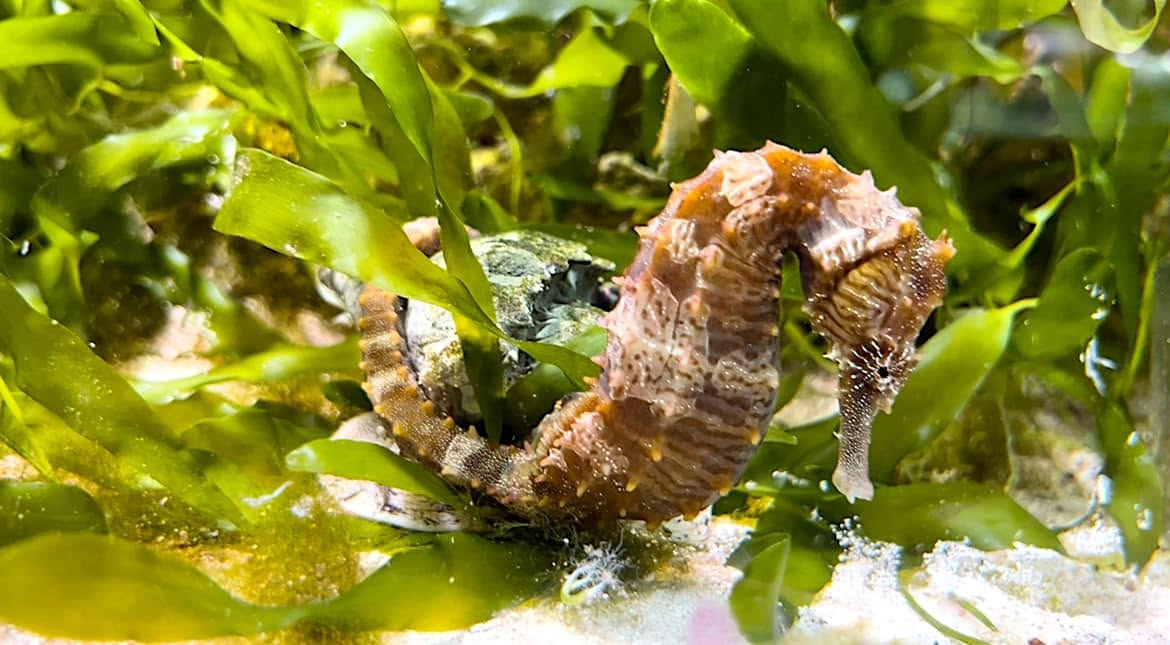
- Range: Western Atlantic Ocean from Nova Scotia and Cape Cod south through the Gulf of Mexico, the Caribbean, and down to Brazil.
- Habitat: shallow, calm temperate or tropical coastal waters, utilizing seagrass beds, coral reefs, mangroves, and estuaries
- Diet: minute crustaceans (such as brine shrimp and amphipods), plankton, and fish larvae
- Predators: large pelagic fish (like tuna and mahi-mahi), skates, rays, sea birds, and crabs
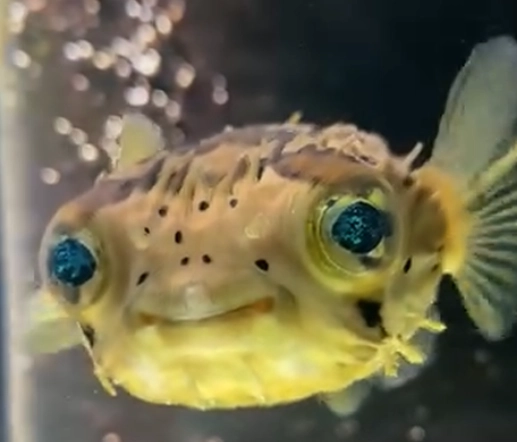
- Range: Circumtropical distribution across all tropical and subtropical oceans worldwide, including the Atlantic, Indian, and Pacific Oceans
- Habitat: shallow reefs, sandy bays, lagoons, open soft-bottom habitats
- Diet: hard-shelled benthic invertebrates, including sea urchins, crabs, snails, hermit crabs, shrimp, clams
- Predators: large pelagic predatory fish like tunas, dolphins, large sharks
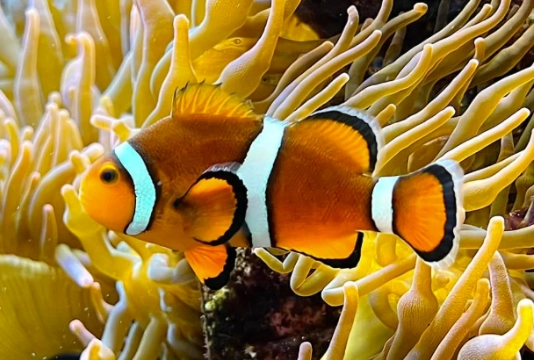
- Range: Warm tropical waters of the Indo-Pacific, including Northwest Australia, Southeast Asia, Indonesia, the Philippines, and Southern Japan
- Habitat: warm coastal coral reefs and lagoons at shallow depths up to 50 feet, living in strict mutual symbiosis with host sea anemones
- Diet: generalized omnivorous planktivores that consume zooplankton, algae, marine isopods, small crustaceans, anemone debris
- Predators: larger reef predators, such as lionfish, groupers, snappers, eels, triggerfish
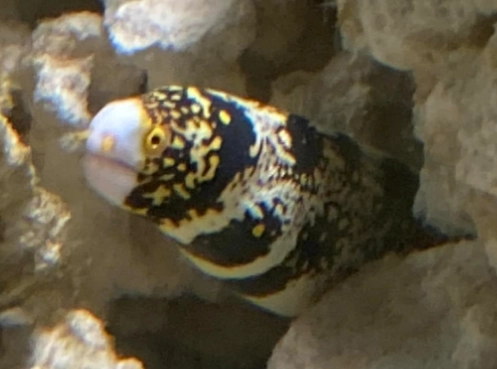
- Range: Widespread throughout the Indo-Pacific from East Africa and the Red Sea to Hawaii, and the eastern Central Pacific from Baja California down to Colombia
- Habitat: Tropical coral and rocky reefs, rock rubble, rocky shallows, tide pools, and seagrass beds at depths ranging from 3 to 150 feet
- Diet: Crustacean specialists primarily feeding on crabs, shrimp, and small mantis shrimp
- Predators: Apex reef predators, including larger species of sharks and groupers
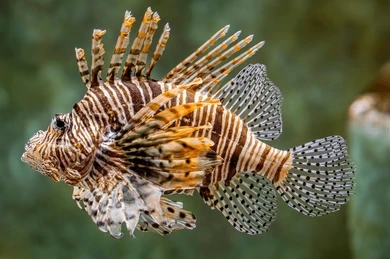
- Range: Native to the warm waters of the Indo-Pacific and Red Sea; extensively invasive across the Western Atlantic, Caribbean, Gulf of Mexico, Mediterranean
- Habitat: Highly adaptable across coral reefs, mangroves, seagrass beds, turbid inshore regions, and artificial structures from the surface down to 1,000 feet
- Diet: Voracious generalist carnivores eating small fish, crabs, shrimp, other small marine invertebrates
- Predators: Very few natural predators due to their highly venomous spines; larger groupers, snappers, sharks occasionally hunt them in their native range
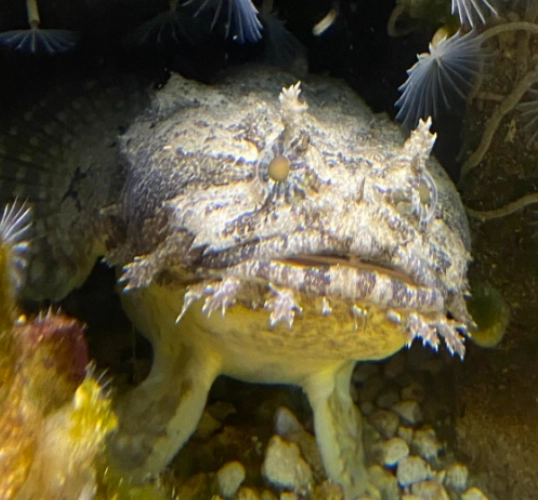
- Range: Western Atlantic Ocean, primarily localized throughout the Gulf of Mexico, Southeast Florida, the Bahamas, and south to the Yucatan Peninsula
- Habitat: Murky shallow inshore waters, seagrass beds, bays, coastal lagoons, and rocky rubble down to depths of about 800 feet
- Diet: Opportunistic bottom-dwelling ambush predators consuming small fish, crabs, shrimp, mollusks, polychaete worms
- Predators: Barracuda, sea turtles, marine mammals (like dolphins), and large coastal sharks
COMING SOON!
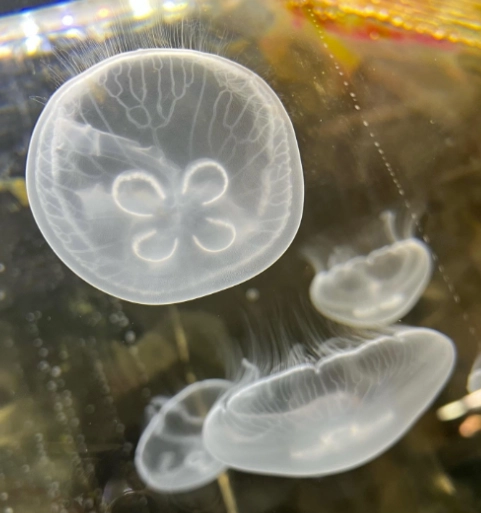
- Range: Cosmopolitan distribution across the Atlantic, Indian, and Pacific Oceans, particularly common throughout the Northern Hemisphere
- Habitat: Primarily pelagic and neritic environments including coastal bays, estuaries, fjords, open ocean surfaces
- Diet: Carnivorous suspension feeders consuming zooplankton, plankton, copepods, small invertebrates, fish eggs, larvae
- Predators: Large pelagic fish (such as sunfish), sea turtles, sea birds, sea anemones, larger species of jellyfish
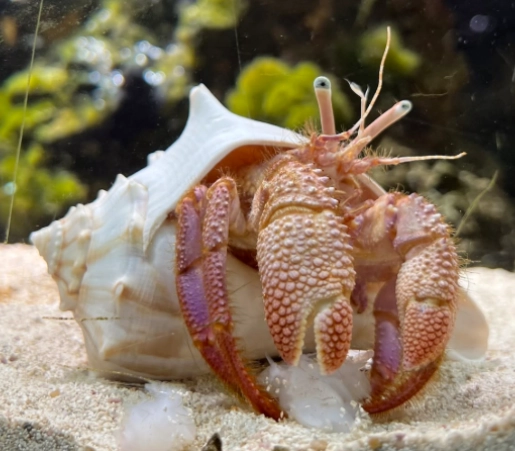
- Range: Western Atlantic Ocean, stretching from North Carolina and Florida down through the Caribbean, the Gulf of Mexico, and into Brazil
- Habitat: Shallow coastal waters, mud flats, seagrass beds, and coral reef margins at depths from 6 to 430 feet, using discarded sea snail shells (especially queen conch shells) for protection
- Diet: Small fish, bivalves, worms, organic detritus, other small marine invertebrates
- Predators: Large predatory fish (such as groupers and snappers), octopuses, larger crabs
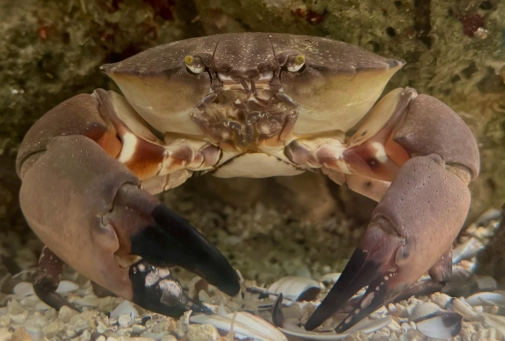
- Range: Western Atlantic Ocean, extending from North Carolina to Cuba, including the entire Gulf of Mexico, the Bahamas, and Belize
- Habitat: Shallow coastal areas, bays, and salt marshes, burrowing in mud, sand, or among rock jetties and oyster reefs at depths up to 200 feet
- Diet: Hard-shelled mollusks (such as oysters, clams, and snails), worms, organic detritus
- Predators: Sea turtles, octopuses, sharks, cobia, grouper, humans
- Range: Warm tropical waters across the Indo-Pacific region, from East Africa to the western Pacific islands
- Habitat: Shallow, warm sandy bottoms, seagrass meadows, and muddy reef flats down to depths of 100 feet
- Diet: Corals, sponges, sea anemones, worms, small invertebrates, organic detritus
- Predators: Triton's trumpet snails, harlequin shrimp, large pufferfish
- Range: Tropical and subtropical Atlantic Ocean, including the southeastern United States, the Caribbean, the Gulf of Mexico, Brazil, and parts of West Africa
- Habitat: Shallow coral reefs, rocky shores, tide pools, and seagrass beds, typically hiding in crevices during the day down to depths of 150 feet
- Diet: Algae, seagrasses, bryozoans, sponges, small stony corals
- Predators: Queen triggerfish, spiny lobsters, sea stars
- Range: Western Atlantic Ocean, spanning from North Carolina down through the Caribbean, the Gulf of Mexico, and southward to Brazil
- Habitat: Coastal lagoons, bays, and seagrass beds with sandy or muddy substrates at shallow depths up to 80 feet
- Diet: Marine vegetation (especially turtle grass), algae, organic detritus
- Predators: Gulls, sea turtles, spiny lobsters, crabs, bottom-dwelling reef fish (like triggerfish and porgies)
- Range: Widespread throughout the Indo-Pacific region, from East Africa and the Red Sea to Australia and Japan
- Habitat: Coral reefs, rocky bottoms, and reef flats, often congregating in large groups in shallow water down to depths of 230 feet
- Diet: Filamentous algae, microalgae, encrusting invertebrates, organic detritus
- Predators: Triggerfish, pufferfish, large wrasses, lobsters, helmet snails