
MS in Curriculum & Instruction: A complete guide to emphasis options and career paths
A master's in curriculum and instruction is one of the most versatile degrees for educators who want to advance in their careers in the classroom or step into leadership roles like instructional coach, curriculum coordinator, or reading specialist.
Jump to: What is an MS in Curriculum and Instruction | Nine emphasis areas | Choosing the right program
Deciding to pursue a master's in curriculum and instruction is an exciting next step in your career path. Choosing the right program and emphasis is crucial to ensuring your degree matches your goals. In this complete guide to the MS in Curriculum and Instruction, you'll explore top emphasis areas offered at Minnesota State Moorhead, learn how each track aligns with different career goals, and discover which concentration best fits your teaching experience and professional aspirations.
What is an MS in Curriculum and Instruction?
An MS in Curriculum and Instruction is a graduate degree that trains educators to design, evaluate, and improve educational programs. It is a great choice for P-12 educators looking to increase their depth of knowledge and grow student achievement.
Moorhead's MS in Curriculum & Instruction program summary
| Cost per credit | $562.70 |
|---|---|
| Number of credits | 32-33 |
| Delivery | Online |
| Graduate Success | 100% related job placement |
| Highlights |
|
At Minnesota State Moorhead, the 100% online MS in Curriculum and Instruction provides an opportunity for practical application within the areas of educational foundations, curriculum theory, instructional best practices, and educational research. Students often directly apply what they are learning in the program to their classroom.
Top curriculum and instruction pathways: Choose from nine emphases and customize your degree
Moorhead's MS in Curriculum and Instruction lets you tailor your degree through a 15-16 credit emphasis in one of nine focused areas, so you can align your coursework with your P-12 teaching role, subject area, and career goals.
Artificial Intelligence (AI) in Education emphasis
Who it's for: Teachers, instructional coaches, and curriculum leaders who want to responsibly integrate AI tools into teaching, learning, and assessment
What you'll study: Coursework focuses on AI fundamentals for educators, instructional applications of AI in classrooms, and ethical considerations such as bias, data privacy, and academic integrity.
Career path: Teacher leaders implementing AI in blending/online learning; district teams developing AI-related policies and professional learning.
Biology emphasis
Who it's for: Middle and high school biology and life science teachers seeking deeper content knowledge and advanced pedagogical strategies.
What you'll study: Graduate-level biology courses that strengthen your understanding of core biological concepts and their application to teaching.
Career path: Biology department chairs, lead science teachers, curriculum writers for secondary science.
Chemistry emphasis
Who it's for: Secondary chemistry and physical science teachers who want advanced content grounding alongside curriculum and instruction training.
What you'll study: Graduate chemistry coursework designed for educators, focusing on concepts and applications relevant to high school chemistry instruction.
Career path: Lead chemistry teachers, science coordinators, curriculum specialists for secondary science.
Content Specialization
Who it's for: Teachers in any subject area (e.g., social studies, art, music, physical education) who want a customized, advisor-approved set of courses in their field.
What you'll study: A personalized plan of 15 credits in your chosen content area, selected with your program advisor to match your teaching assignment and interests.
Career path: Department leads, curriculum developers, and content-area specialists across disciplines.
Kodály Emphasis
Who it's for: Music educators, especially those teaching singing and general music in K-12 settings, who want to deepen their expertise in the Kodály method.
What you'll study: Graduate-level Kodály-inspired music pedagogy, including voice training, solfege, conducting, and curriculum design for music programs.
Career path: Kodály-certified music teachers, choir directors, district music curriculum coordinators.
Literacy emphasis
Who it's for: Elementary and secondary teachers who want to focus on reading, writing, and disciplinary literacy across content areas.
What you'll study: Courses in literacy theory, assessment, and instruction; strategies for struggling readers; and evidence-based approaches to teaching reading and writing.
Career path: Reading interventionists, literary coaches, reading specialists, ELA department leads.
Mathematics emphasis
Who it's for: K-12 math teachers, math coaches, and intervention specialists seeking advanced understanding of mathematics content and teaching methods.
What you'll study: Graduate mathematics courses tailored for educators, focusing on conceptual understanding, problem solving, and effective math instruction.
Career path: Math department chairs, instructional coaches in mathematics, district math curriculum specialists.
Special education emphasis
Who it's for: General and special education teachers who want to strengthen their skills in designing inclusive curriculum and supporting diverse learners.
Whatyou'll study: Coursework in special education law and policy, differentiated instruction, behavior supports, and evidence-based interventions for students with disabilities.
Career path: Special education teachers, inclusion specialists, MTSS/RTI coordinators, special education program leads.
Teacher leadership emphasis
Who it's for: Classroom teachers who want to lead improvement efforts such as curriculum mapping, assessment design, and professional development.
What you'll study: Leadership in schools, curriculum design and evaluation, instructional coaching strategies, and data-informed decision-making.
Career path: Instructional coaches, teacher leaders, curriculum coordinators, department chairs, and district leaders.
Choosing the right Curriculum and Instruction graduate program
While you consider Curriculum & Instruction graduate programs, it's important to remember that the best program will align with your goals and aspirations. Here are a few tips to help you identify the right program for you.
Consider your interests and strengths
Picking a program and emphasis that excites you is integral to your success in your graduate program and career. What aspects of education do you want to deepen your knowledge of? Do you feel yourself drawn to a specific topic, like literacy or special education?
Set your career and education goals
Develop clear career and education goals you want to accomplish with your graduate degree. Not only is this often an essential part of the application process, but it helps you approach your studies more intentionally.
Your goals may include moving up your district's pay scales, exploring higher-paying leadership roles, or building specialized high-demand skills. While an MS in Curriculum & Instruction can help you accomplish all these goals, identifying a specific goal will help you focus your studies and tailor your credentials to stand out from other candidates.
When you're ready to take the next step, explore the master's in Curriculum and Instruction at Minnesota State Moorhead. With tailored curriculum options, Moorhead's fully online program provides the skills and knowledge to help you lead change in education.
Make Sure Your Story Is Heard
Let us know how your life has been changed by being a Dragon: tell us your Minnesota State Moorhead story today!
Send Us Your StoryMore Stories from Dragons
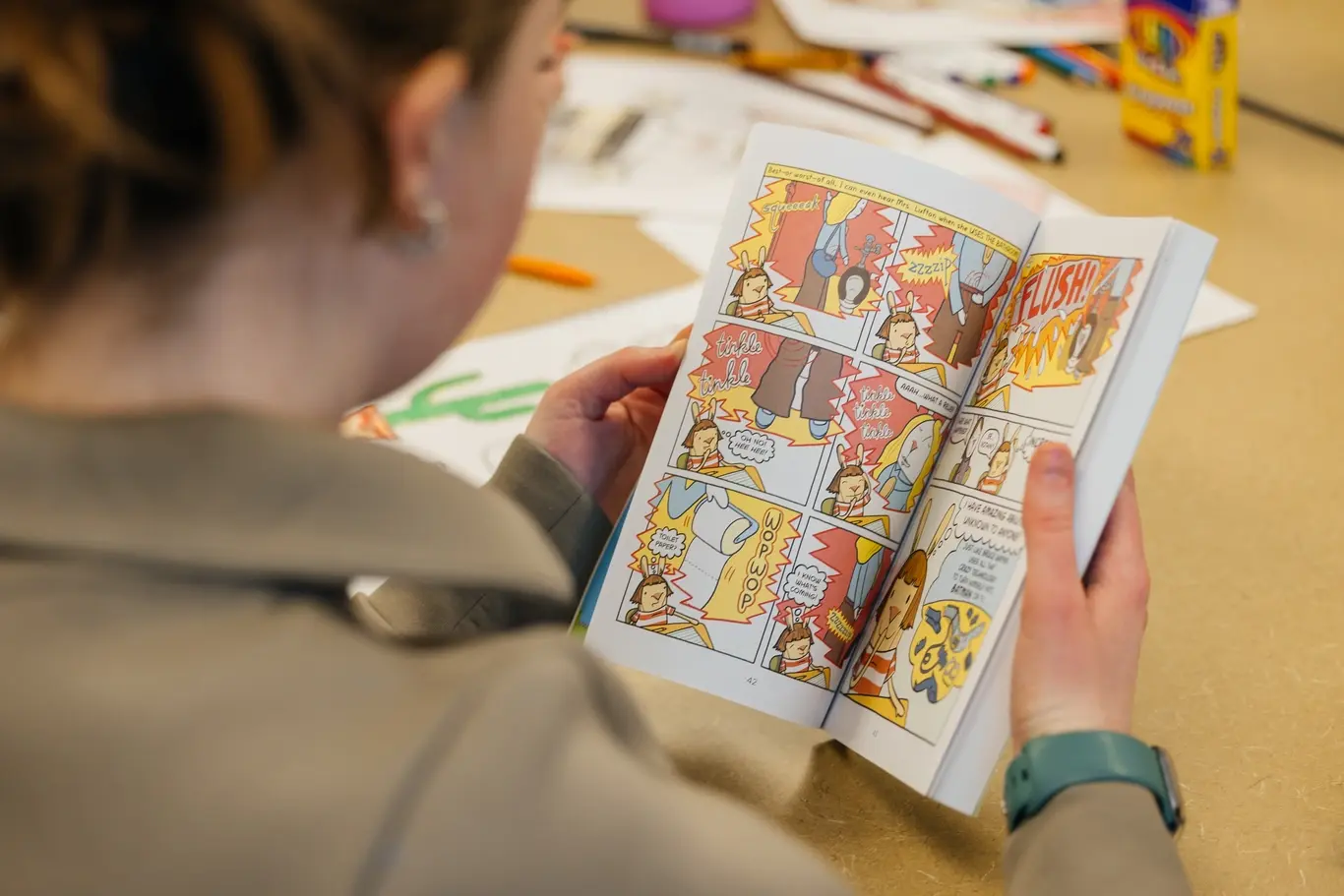
Moorhead leads the way in reversing literacy decline
As the first pilot site for Minnesota's Literacy Labs, Minnesota State Moorhead is leading the way in fighting the literacy crisis.
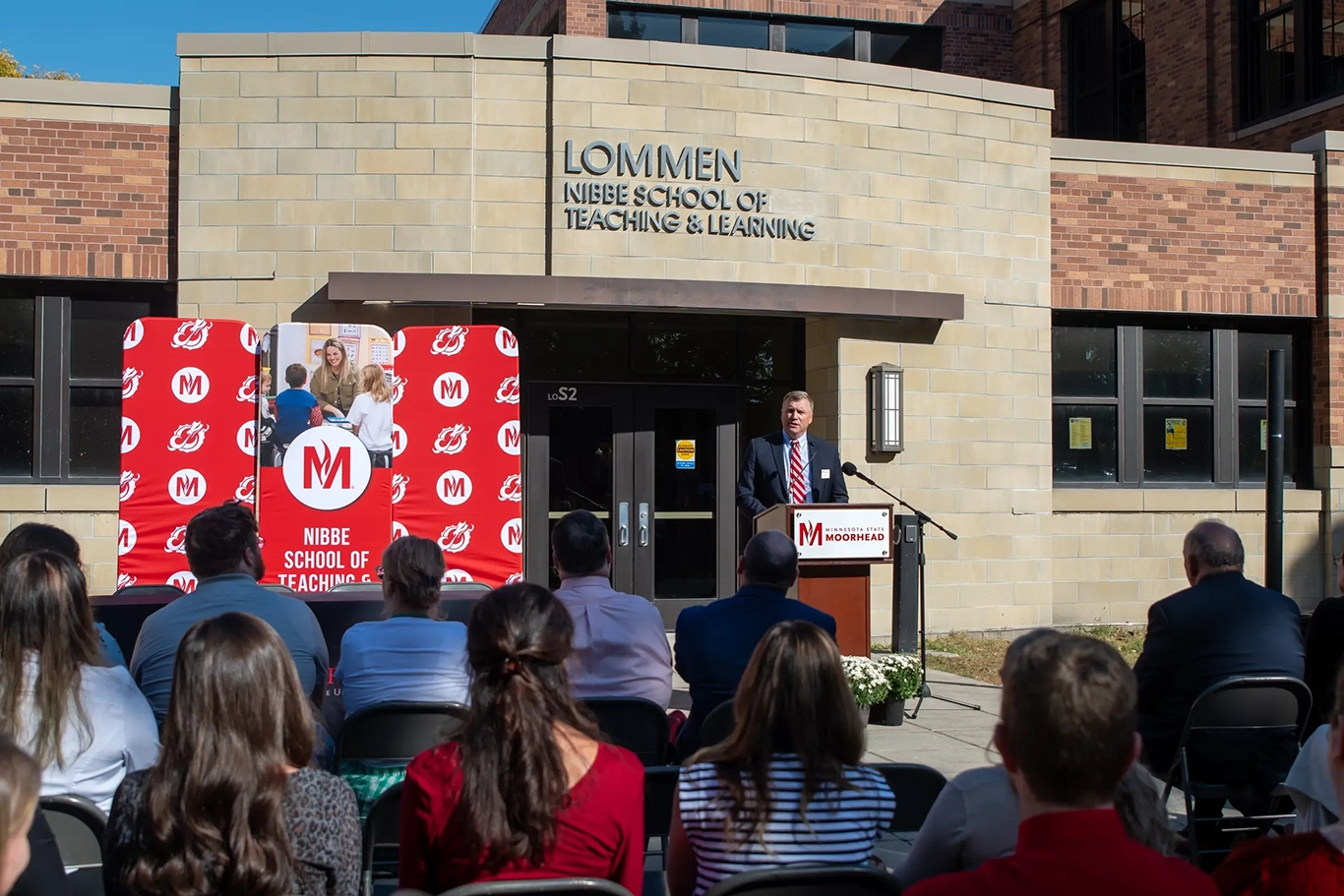
One year of impact: The Nibbe School of Teaching & Learning
Since receiving a historic $5.5 million gift from the Nibbe Family Foundation in 2025, the Nibbe School of Teaching & Learning has expanded scholarship opportunities, experiential learning, and alumni awards.

The teachers behind the superintendent
Moorhead Area Public Schools' Dr. Brandon Lunak will inspire the class of 2026 at graduate school commencement.