
Moorhead leads the way in reversing literacy decline
The country is facing a sweeping literacy crisis, but Minnesota State Moorhead is helping change the story.
When it comes to literacy trends, the numbers are bleak. According to the National Assessment of Educational Progress (NAEP) 2024 data, 40% of students in the United States scored below basic level, meaning they haven’t demonstrated partial mastery of reading skills. Reading achievements in Minnesota, North Dakota, and nationwide have been declining since 2019.
Minnesota leaders and experts in education have been tackling the issue for years. Minnesota Literacy Labs, an alignment with the READ Act, grew out of that work. Last fall, Dr. Erin Gillett, professor in the Nibbe School of Teaching & Learning, led a partnership with Moorhead Public Schools to be the pilot literacy lab.
Eight Moorhead students stepped up as the first Early Literacy Fellows that semester. Since then, Moorhead’s fellows have provided 637 tutoring sessions across two semesters, serving 59 children in Kindergarten through third grade. This initiative has received high praise from the Minnesota Department of Education and the Professional Educator Licensing and Standards Board.
The innovative model connects elementary inclusive and early childhood education majors with young learners to improve early reading outcomes through one-on-one instruction. While education majors at Moorhead have always had ample practicum experience, the Early Literacy Fellows tutoring experience provides a level of preparation most aspiring educators don’t see until their first year as a practicing teacher. According to Gillett, candidates make instructional decisions to teach children to read and follow a structured literacy curriculum firsthand.
“Everyone benefits: our preservice teachers take what they learn on campus and build their teaching capacity in the field, schools are able to provide additional support for students at no cost, and most importantly, children receive targeted, ongoing tutoring that helps them grow as readers,” Gillett said.
The magic of the program isn’t just in the experience future educators gain. For Abigail Kor, one of the first eight Early Literacy Fellows, it’s an opportunity to open new worlds to young readers.
“You can see the frustration fade from children’s faces when reading starts to make sense. It’s life-changing,” Kor shared.
Last October, the early success of the program drew state education and policy leaders from Minnesota and North Dakota to visit and observe the Literacy Lab. At the time, Kor shared her hope for the program’s continued growth.
“Imagine how powerful this would be if implemented across Minnesota,” she said.
Already, the program is expanding beyond Moorhead. According to Dr. Lucy Payne, former chair of the Professional Educator Licensing and Standards Board and Literacy Labs Director, four Educator Preparation Programs (EPPs) in MN participated in the Literacy Lab pilot in Spring 2026. In 2026-27, one third of all EPPs in the state are set to participate.
Gillett and others involved in the pilot program won’t stop there.
“Those of us involved in the pilot believe it is critical for preservice teachers to have field experience focused on early literacy,” she said.
The students involved are just as enthusiastic about the program. According to Gillett, all eight of the fall tutors have become major ambassadors of the work, with them asking to stay involved during the spring semester by mentoring the next group.
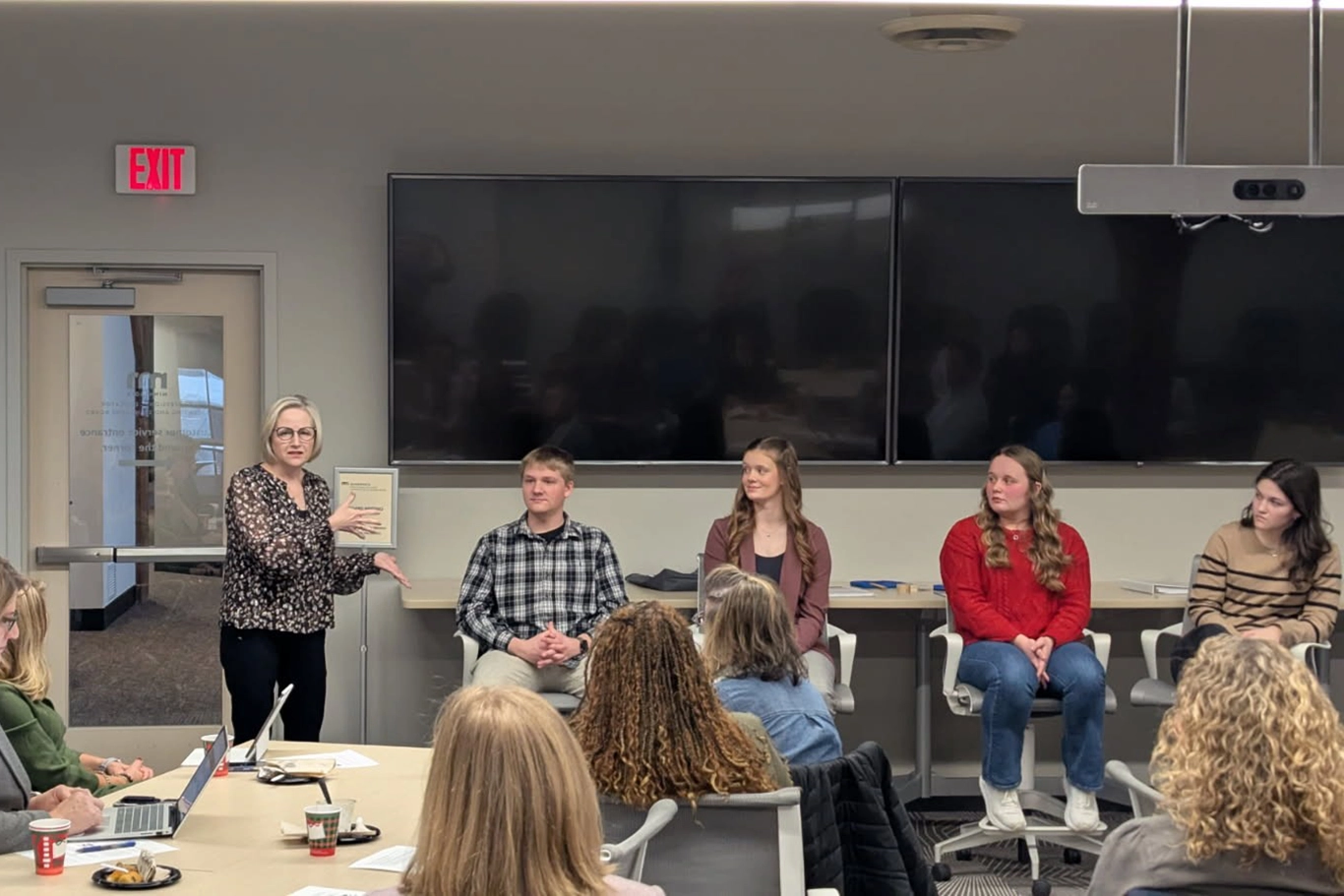
During a focus group of the spring semester tutors, candidates reported a growing confidence in their ability to teach early readers and respond to their struggles and successes.
That passion brought Gillett and early childhood education major Isaac Martin, another Early Literacy Fellow, to testify before the Minnesota House Education Policy Committee in support of the Early Literacy Field Experience bill. This bill would require teacher candidates preparing to teach early literacy to receive a supervised, foundational literacy field experience that is aligned with Minnesota’s reading standards. The Literacy Lab pilot project is aimed at developing a system with infrastructure so that EPPs can adopt and adapt the Literacy Lab experience. It passed unanimously in both chambers.
What began as a local pilot has quickly become a model for the state, demonstrating how targeted support, hands-on teacher preparation, and strong partnerships can improve outcomes for young readers. With growing statewide adoption and legislative support, the program is building a future where more children learn to read with confidence, and more teachers enter the classroom ready to help them succeed. In the effort to reverse declining literacy rates, Moorhead isn’t just responding to the challenge; it’s leading the solution.
Nibbe School of Teaching & Learning
The Nibbe School of Teaching & Learning is accredited by the Council for the Accreditation of Educator Preparation (CAEP) and provides a comprehensive undergraduate and graduate curriculum that spans early childhood, elementary, secondary and special education to prepare you with high-quality teaching skills and solid grounding in your chosen discipline.
Learn more about the Nibbe School of Teaching & LearningMore Stories from Dragons
Investing in Dragons
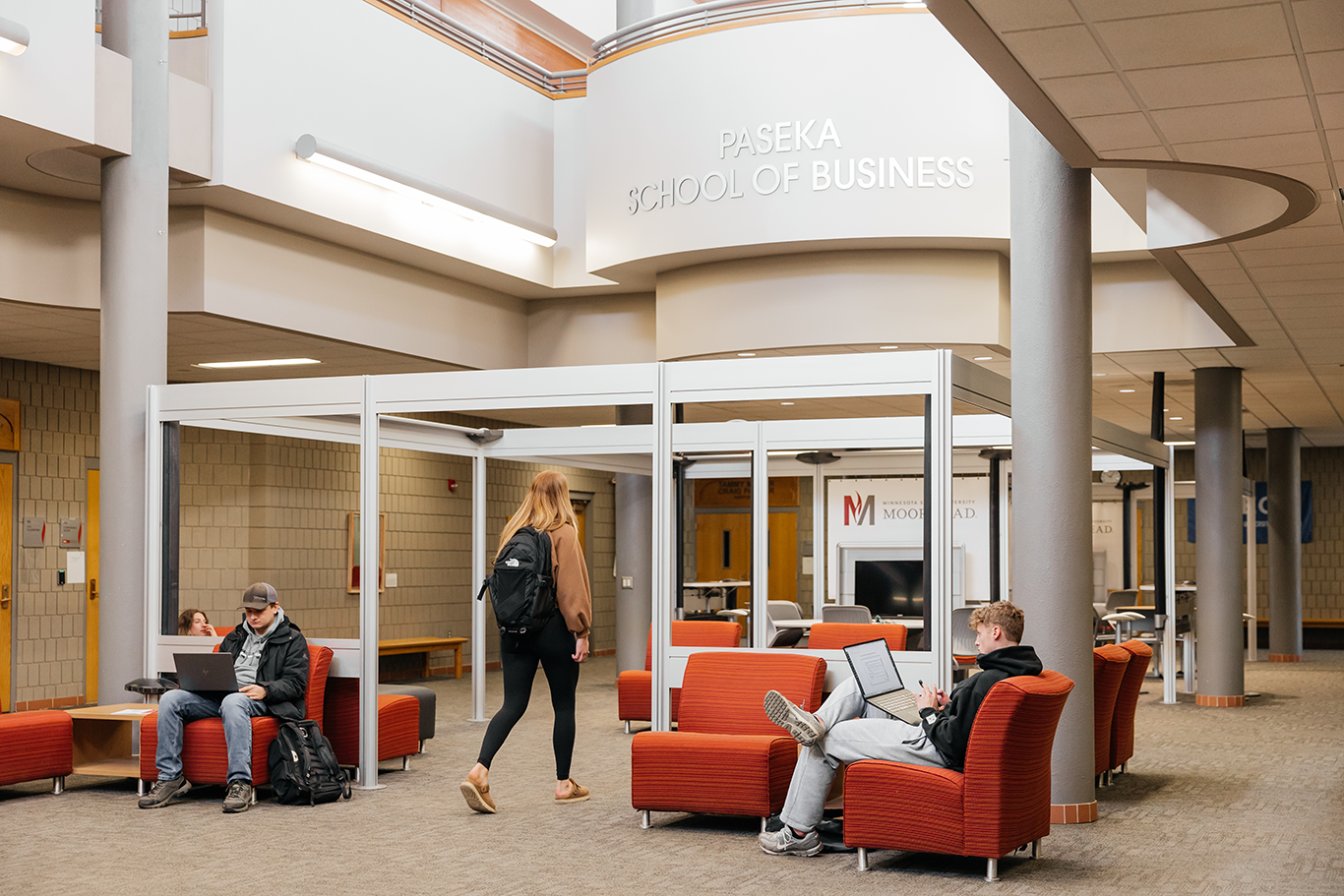
Finance students manage the Dragon Investment Fund, a real investment portfolio started by alum Mike Benson.
Anthropology alum spotlights Indigenous pieces through curator role at Plains Art Museum
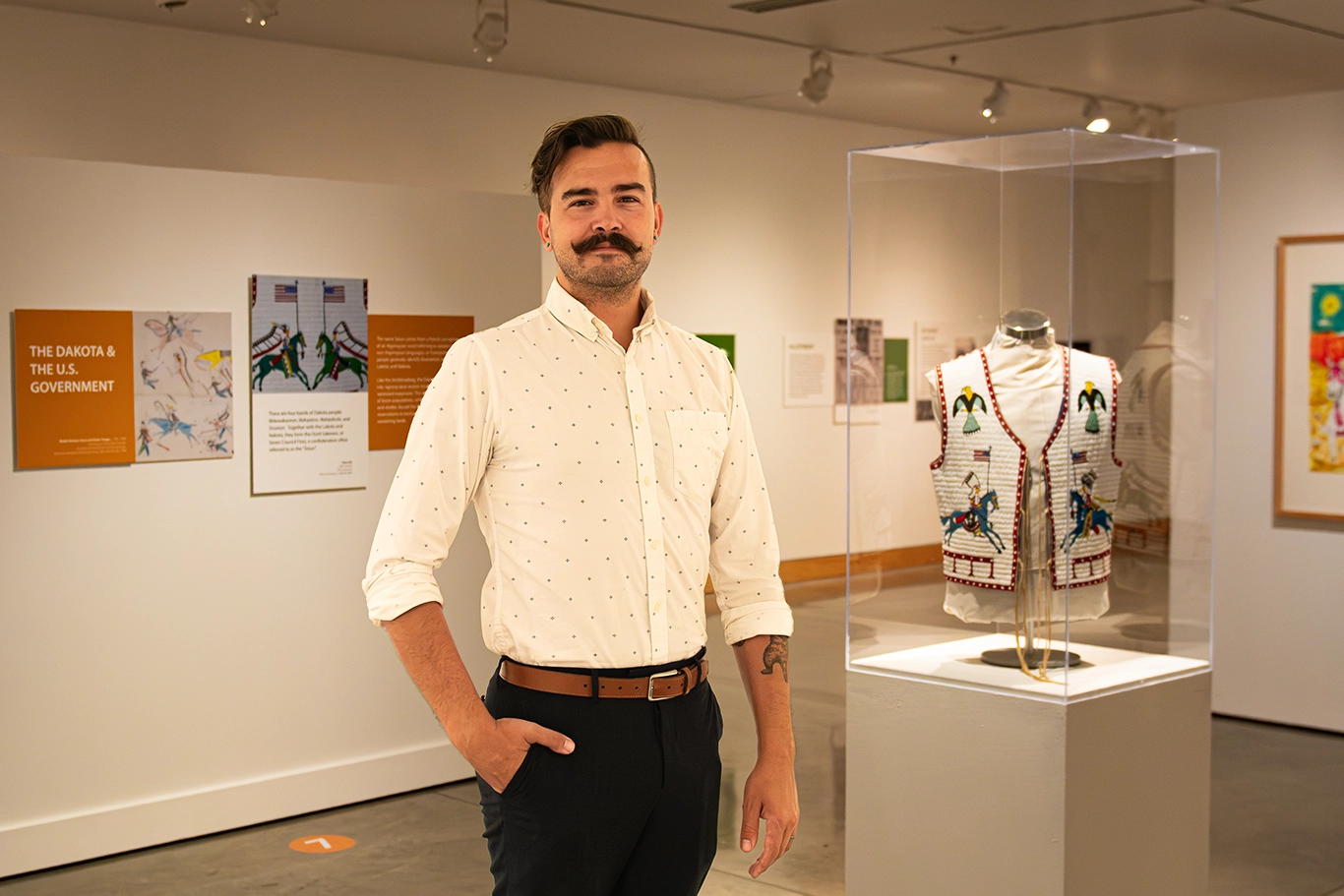
Bret Salter '17 curates Indigenous art at the Plains Art Museum.
Moorhead’s AI efforts receive national recognition
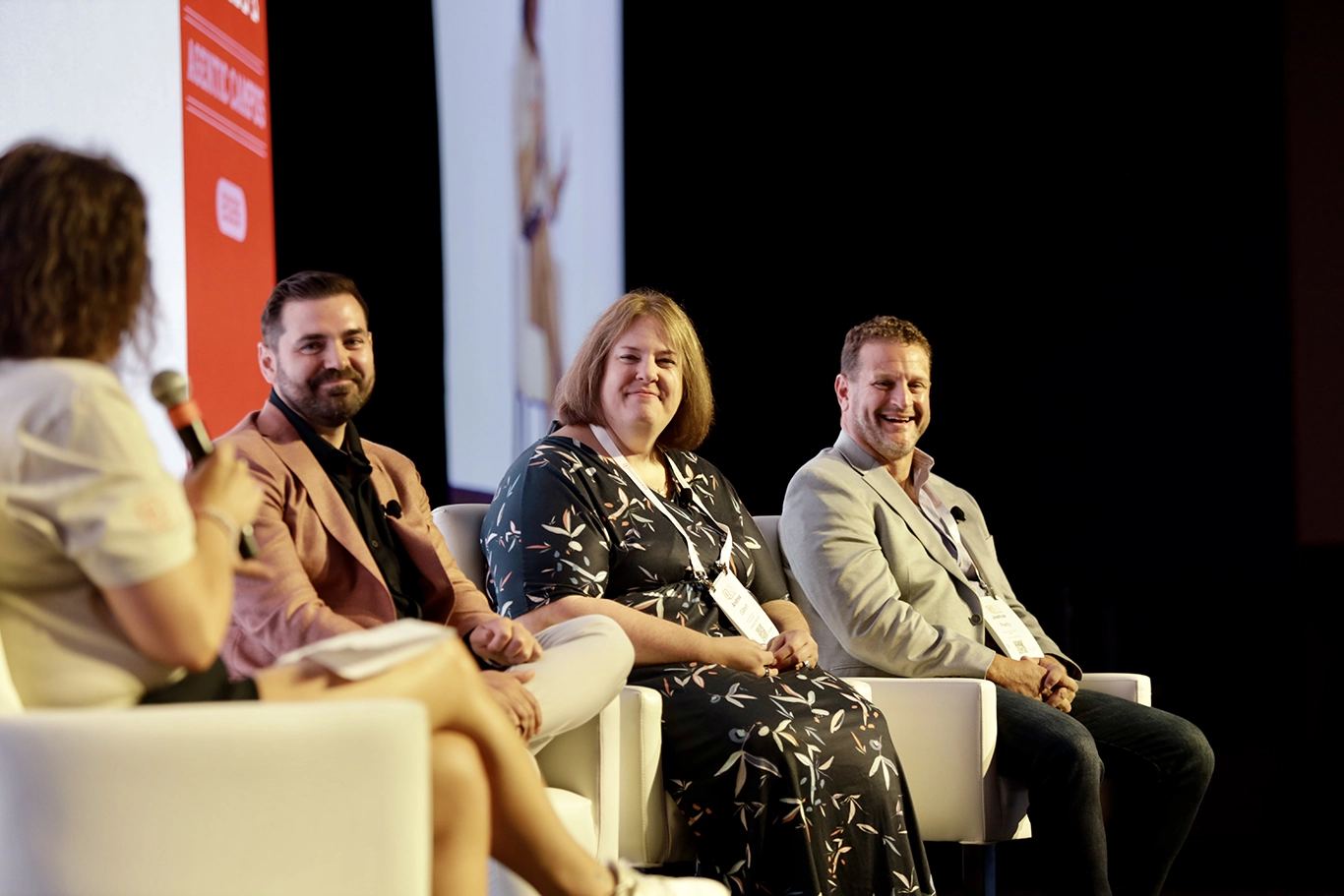
MSUM received the first-ever AI Innovation Award at the Engage Summit 2026 for its AI literacy framework.